I would describe my career in the Marine Corps as unremarkable. Had a few drinks, saw a few things. However, there are a few moments that stand out to me. One of them was the time I met Gen. James Mattis (ret). Every Marine knows who he is. He is self-described as “old-fashioned” but he truly is a person from another era. Someone that can read and thing of the long-term ramifications of decisions. Imagine that. Below is the story of my brief encounter with him.
I was at LAX coming back from leave, like a good boy I had shaved and had a fresh haircut. I went to Carls Jr. to get a vanilla milkshake. When I was waiting in line after I ordered I noticed an older gentleman kept looking at me. The old guy came over and tapped me on the shoulder and asked “Excuse my, son are you a Marine?” I turned around, realized who I was talking to, and introduced myself. Holy shit. What are the odds? We chatted for a few minutes, he said VFMA-121 (my unit at the time) was good shit and complimented my arm tattoo. His order got called and he went up to get… a vanilla milkshake. Real recognizes real
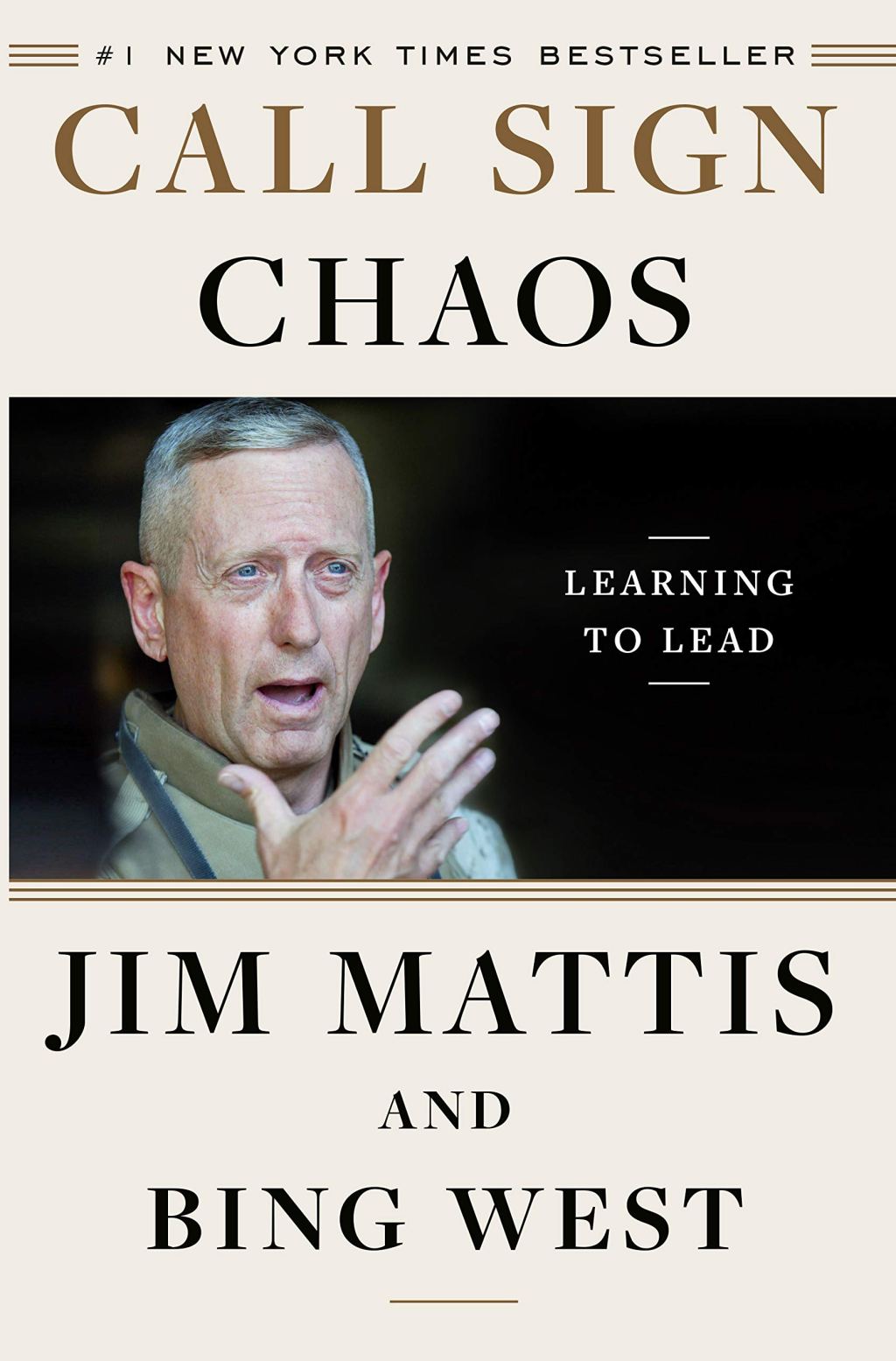
I remember being struck by how soft-spoken he was (despite being nicknamed “mad dog”) and his deep reverence for the Marine Corps. So when his autobiography came out I knew I had to read it. Here are my 3 top lessons I took away from the book.
1. No better friend, no worse enemy
This is one of those Marine quotes I heard over and over again. I think Sullas epitaph has the same sentiment but packs more of a punch:
No friend ever served me, and no enemy ever wronged me, whom I have not repaid, in full.
Sulla about Sulla
Reputation is key in whatever field you decide to operate in. As on of my Staff NCO’s told me: the Marine Corps is smaller than you think. When you are going through the education system you can sorta get by without having to care about your reputation and being a turd (plenty do). But the world is small, smaller than you think. You don’t want to find yourself in a situation where everyone knows your a piece of shit.

The past 70 years have been an anomaly in many ways. For nearly all human history the ability to be anonymous and still function in society was not an option. The world was much more localized and your reputation and word were more important. As you would have to continuously have to work with these people throughout your life. If after the coronavirus, society shifts to a more locally based system those with solid reputations will have a significant competitive advantage over the hucksters and grifters.
2. Read!
“If you haven’t read hundreds of books, you are functionally illiterate, and you will be incompetent, because your personal experiences alone aren’t broad enough to sustain you.”
This is my favorite insight from the book. As Mattis goes through his life, he discusses the numerous operations he was apart of. He would detail the books he read about a similar situation and how they helped him. For example he talked about when he was tasked with planning the invasion of Iraq in 2003. He consulted Xenophon and other ancient writings about Alexander the Great about his invasions of the region. The insight that he learned is that supply chains in this area are essential due to the geography of the region. In addition, Alexander’s success in the region was due to his understanding the various ethnic differences of the region and the importance of allowing local leaders to take control and avoid sectarian violence which would disrupt supply chains.

Separating signal from the noise when making reading decisions is the critical if you are going to improve yourself. The daily news, vox “explainers”, airport business books, & those Bill O’Reilly “Killing ___” books are all noise. They can categorically be described as mental masturbation. An easy way to filter signal from noise is by using as Taleb would say “Lindy screen.” The Lindy effect is a theory that the future life expectancy of some non-perishable things like a technology or an idea is proportional to their current age, so that every additional period of survival implies a longer remaining life expectancy. There might be some books or ideas published this year that could be truly game changing. However, speaking probabilistically, reading books that stood the test of time are less likely to waste yours.
I am constantly trying to become a better trader and investor, so I choose to read about history, finance, human behavior, and data analysis. These subjects are different but complement each other. Whatever your chosen pursuit is, advancing your own understanding based on the experience of others is the most effective way from avoiding their mistakes.
3. Know your role
The book is one part autobiography and one part leadership manual. Gen. Mattis has had a career in the military and government of over 40 years. If we apply the lessons he learned we can truly stand on the shoulders of giants. Leadership requires different approaches at different levels but there are a few general principles that all leaders can follow. The importance of communication and removing barriers are two aspects of leadership that are common at every level.
The Marine Corps emphasizes is the importance of Commanders Intent. How it is intended to work is that the Commander gives their general intent on what they want accomplished. Subordinate leaders are left to figure out how to accomplish this intent within the Commanders parameters. Its ridiculous to assume that this process goes smoothly and always happens. It requires the leader at the top to articulate their intent in a way that their audience understands and not to micromanage them on the execution.
Anyone that has worked in a large organization has had to spend time doing pointless administrative tasks. Meetings that no one listens to, memos and reports no one will read, and click through courses where you learn nothing. These tasks crowd out productive work and adversely affect moral. Leaders at higher levels have the ability to trim this administrative fat. They should remove tasks that don’t align with their strategic plan and automate processes as much as they can be.
You’re going to have to read the book to get all of his insights and recommendations for leaders at the different levels. I highly recommend it as the book weaves lesson with historical story in a compelling way. There are also some great stories about our strategic political successes and failures over the past 30 years.
 He Was A Data Boi